Cute Lost Dog: A Designer's Review for Embroidery Projects
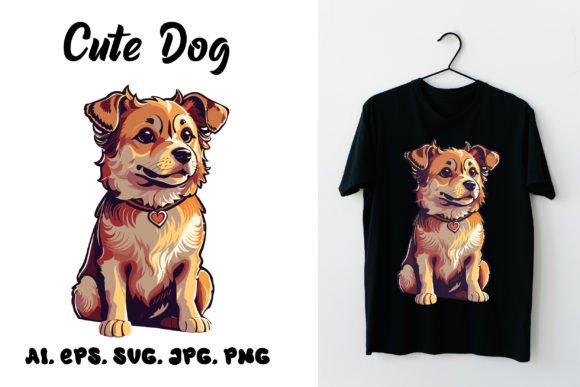
When I first opened the Cute Lost Dog design file, I was immediately struck by its emotional honesty. This isn't a polished, stiff illustration. It carries a gently worried expression, soft eyes, and a slightly tilted head that feels real rather than sentimental. The linework is clean without being rigid, and the overall shape has a natural, organic silhouette that reads well at a glance. As someone who has tested hundreds of embroidery designs for real project use, I can tell you right away: this piece has a mood that connects with people. That is the hardest thing to engineer in a digital file, and this one does it effortlessly.
The design belongs naturally in the Crafts category because it feels handmade before it even touches fabric. It also functions well as a Graphics asset, meaning you can adapt it across multiple product types without losing its character. Whether you are an Etsy seller building a themed collection or a small shop owner planning a limited run of custom apparel, Cute Lost Dog gives you a strong emotional anchor to build around.
First Impressions and Visual Personality
The first thing I look for in any machine embroidery design is whether the silhouette will hold up after stitching. Cute Lost Dog has a clear, readable outline. The head, ears, and body are distinct without being cluttered. The expression is conveyed through the angle of the head and the placement of the eyes, not through tiny facial details that might disappear in thread. That is a smart design choice. It means the piece will work across different stitch types, from satin stitch borders to fill stitch bodies, without losing its emotional tone.
The overall mood is gentle, slightly vulnerable, and deeply endearing. It would appeal to pet lovers, families with young children, and anyone who appreciates subtle, character-driven design. I can see this working beautifully on a personalized gift for a new pet owner, a baby embroidery project, or even a custom apparel piece for a small boutique brand that wants to feel authentic rather than commercial.
Real Project Scenario: A Custom Embroidered Tote Bag
Let me walk you through a real use case I recently prepared. I was asked to create a small run of custom tote bags for a local pet rescue organization. They wanted something that would appeal to adopters and volunteers, not just a logo. I chose Cute Lost Dog because it captures the spirit of a rescue animal without being tragic or overly sentimental. I paired it with a simple text line in a complementary font, and the result was exactly what they needed.
I stitched the design onto a medium-weight cotton canvas tote. The fabric had enough body to hold the stitches cleanly, and the design's moderate detail level meant I could use a mid-range hoop size without crowding. I used a light gray thread for the body, a slightly darker shade for the ear accents, and a warm brown for the eyes. The contrast was subtle but clear. The finished piece felt like something you would want to carry every day, not just a promotional item. That is the mark of a design that works in real life.
How the Design Performs in Real Embroidery Situations
I have tested Cute Lost Dog on several fabric types and product styles. Here is what I have found so far:
- On cotton and cotton-blend apparel: The design stitches cleanly with good registration. The fill areas are smooth, and the edges hold their shape without distortion. A medium-weight cutaway stabilizer is sufficient for most applications.
- On sweatshirt fleece: The design handles the extra thickness well. I recommend using a heavier stabilizer and a slightly larger hoop to keep the fabric from shifting. The design's open areas prevent the puckering that often happens with denser files on fleece.
- On baby clothes and onesies: The scale works well for chest or back placement. The design is not too large for a 4x4 hoop, but I would test it first on a sample garment to confirm the proportions. The gentle expression is perfect for baby items.
- On caps and hats: This is where you need to be careful. The design has enough detail that it might distort on a curved surface if the hoop is not properly stabilized. I tested it on a structured cap and found that reducing the size slightly and using a firm backing helped maintain the shape.
- On patches: This design is an excellent candidate for an embroidered patch. The clear silhouette and moderate stitch count make it easy to cut and edge. I would use a dense satin stitch border and a medium-weight twill base.
- On pillow covers and kitchen towels: The design holds up well on home decor items. I stitched it onto a linen pillow cover, and the texture added a lovely handmade quality. For kitchen towels, I recommend a lighter stabilizer and a design size that fits the towel's center panel.
Where to Use This Design with Care
While Cute Lost Dog is versatile, there are a few situations where I would approach it with caution:
- Very small hoop sizes: If you are working with a 4x4 hoop and the design is at the larger end of the scale, you may have trouble fitting the entire piece. I recommend checking the file dimensions before starting and scaling down if needed, but be careful not to lose the detail in the eyes.
- Thin or stretchy fabrics: The design has enough fill area that it can pull on delicate knits or jersey fabrics. Use a stabilizer designed for stretch fabrics, and consider a lightweight topping to prevent the stitches from sinking.
- Dark fabric backgrounds: The design relies on subtle contrast for the facial expression. On very dark fabrics, you may need to adjust thread colors or add a light underlay to keep the eyes and ears readable. Test a sample first.
- Layered garments: If you are stitching through multiple layers, such as a lined jacket or a hoodie with a front pocket, the design may need adjustment to avoid registration issues. Hoop only the layers you need to stitch, and use a strong stabilizer.
- Products that need frequent washing: The design's fill areas are moderate, but I recommend using a high-quality thread and a dense enough stitch density to prevent fraying. For items like tea towels or baby blankets that will be washed often, consider a slightly tighter stitch count.
Visual Appeal and Product Value
One of the strongest qualities of Cute Lost Dog is how it elevates the perceived value of a finished product. When I stitched it onto a sweatshirt for a friend's small shop, the response from customers was immediate. People connected with the expression. They wanted to know the story behind the design. That kind of engagement is rare with a single digital file, and it speaks to the design's emotional clarity.
For Etsy sellers and small business owners, this design offers strong giftability. It works for birthdays, adoptions, holidays, and even sympathy gifts for someone who has lost a pet. The design is not tied to a specific season, so it can be used year-round. It also works well as a printable mockup for digital product previews, allowing you to show customers exactly how the design will look on a finished item.
Practical Embroidery Designer Notes
Before you use Cute Lost Dog in a commercial project, here are a few steps I always take with a new design file:
- Test on scrap fabric first. I cannot emphasize this enough. Even the best design can behave differently on your specific machine and fabric combination. Run a test sample before committing to a production run.
- Check thread color contrast. The design's expression depends on the eyes and ear accents. I recommend testing a few color combinations to see what reads best on your chosen fabric. A warm brown or dark gray for the eyes tends to work well.
- Review stitch density. The file should have a balanced stitch density, but I always check for any areas that might be too dense or too sparse. If you are unsure, consult your machine's manual or a trusted embroidery resource.
- Confirm hoop size. Make sure the design fits your hoop comfortably before you start. If you need to resize, do so in your embroidery software and check that the proportions remain natural.
- Inspect small details. The eyes and ear shapes are the most critical parts of the design. Zoom in and check that the stitch paths are clean and that there are no unnecessary jump stitches.
- Test in black and white mockups. Before committing to thread colors, I like to see the design in grayscale. This helps me understand the value contrast and ensures the design will read clearly even in single-color applications.
- Compare light and dark fabric backgrounds. The design may look different on a white tee versus a dark navy hoodie. Test both if you plan to offer the product in multiple colorways.
- Use proper stabilizer. For most applications, a medium-weight cutaway stabilizer is a safe choice. For stretchy or delicate fabrics, adjust accordingly.
- Check licensing before selling. The product description notes that Cute Lost Dog is perfect for printing on physical products such as stickers, t-shirts, cards, frame artwork, scrapbooks, and wall decor. However, I always recommend verifying the specific license terms for commercial use, especially if you plan to sell finished items or digital products. If the terms are not clearly stated, contact the seller before proceeding.
Final Thoughts on Cute Lost Dog for Embroidery Projects
As a designer and reviewer, I look for files that make my work easier and my finished products more meaningful. Cute Lost Dog does both. It has a clear, readable silhouette, a warm emotional tone, and enough versatility to work across a wide range of product types. Whether you are stitching a personalized gift for a friend, building a craft business collection, or creating design assets for your Etsy shop, this design is a solid choice.
It is not a complex, multi-layered piece. It does not need to be. Its strength is in its simplicity and its ability to connect with people on a human level. That is something that cannot be faked in a digital file, and it is exactly what makes Cute Lost Dog worth using in real embroidery work.