Martial Art Logo: Real-World Embroidery Review
First Impressions: A Bold and Dynamic Design
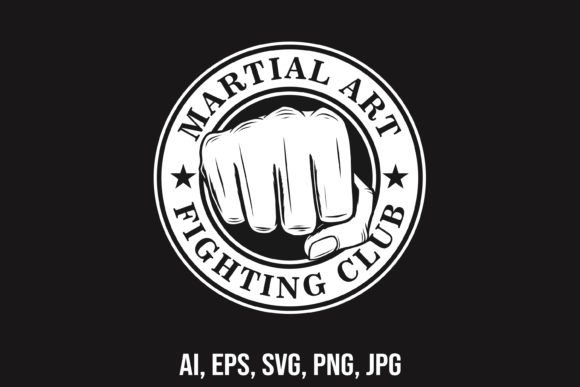
The Martial Art Logo immediately catches the eye with its strong, punchy illustration of a hand in motion. The design exudes energy and power, making it ideal for projects that need to convey strength, discipline, or intensity. The grunge aesthetic adds a rugged, edgy feel that works well with MMA, combat sports, or mixed martial arts themes.
The layout is clean and focused, with a central punch hand illustration that’s balanced by minimal text or decorative elements. This makes it versatile for different applications, from simple logos to more complex embroidered graphics. The level of detail is sufficient for most embroidery machines, but it’s not overly intricate, which helps maintain clarity when stitched onto fabric.
This design feels like it belongs on custom apparel, patches, or promotional items aimed at athletes, fitness enthusiasts, or fans of combat sports. It’s not subtle, but that’s part of its appeal—when you want a design that stands out, this one delivers.
Real-Life Embroidery Scenarios: Where It Shines
Using the Martial Art Logo on a custom tote bag design is a natural fit. The bold illustration would look great on a cotton canvas tote, especially if paired with a contrasting thread color. It also works well on sweatshirts, where the punch hand can be the focal point of the front design.
For baby items, like onesies or blankets, the design might be too intense, but it could work as a small patch on a larger garment. The same applies to caps and hats—small hoop sizes may limit how much of the logo can be stitched, so careful planning is needed.
As an embroidered patch, the Martial Art Logo has potential. It could be used on jackets, backpacks, or even as a badge for a gym or fitness group. The vector format ensures scalability without losing quality, which is essential for applique designs or satin stitch work.
On textured fabrics, like denim or thick knits, the design should hold up well. However, on thin or stretchy materials, the stitches might pull or distort. A proper stabilizer will be key here to keep the design looking crisp and professional.
Where to Be Cautious: Limitations and Considerations
The Martial Art Logo isn’t ideal for every project. Small hoop sizes may not accommodate the full design, especially if it’s meant to be centered or large. For such cases, consider breaking the design into smaller sections or using a larger hoop.
On dark fabrics, the contrast between the design and the background may be less striking. If the logo is meant to be visible, testing it on both light and dark backgrounds is a smart move. Similarly, on layered garments or curved surfaces like caps, the stitching may require extra attention to ensure it sits flat and doesn’t pucker.
Detailed corners and tiny elements in the design could be challenging to stitch accurately. If the logo includes fine lines or intricate patterns, they may not translate well to machine embroidery without some adjustments. Always test the design on scrap fabric before committing to a final project.
For commercial embroidery projects, make sure the licensing allows for resale or redistribution. The Martial Art Logo is likely intended for personal or small business use, so confirm the terms before selling finished products or digital files.
Impact on Visual Appeal and Customer Perception
The Martial Art Logo has a strong visual presence that can elevate the perceived value of a handmade product. When stitched onto a high-quality fabric, it adds a professional touch that customers are likely to appreciate. Its boldness makes it easy to recognize, which is important for branding and marketing efforts.
For Etsy sellers or craft businesses, this design could be a valuable asset. It’s suitable for personalized gifts, holiday items, or boutique merchandise. The grunge style gives it a unique edge that sets it apart from generic logos, making it more appealing to niche markets.
When used in printable mockups or digital product previews, the Martial Art Logo can help attract attention and generate interest. It’s also a good choice for embroidery project kits or downloadable design assets, as it’s visually engaging and easy to work with.
Embroidery Designer Notes: Practical Tips for Success
Before starting any project with the Martial Art Logo, always test it on scrap fabric. This helps identify any issues with stitch density, thread color contrast, or fabric compatibility. If the design is too dense, it may cause puckering or distortion, so adjusting the stitch count or spacing might be necessary.
Check the hoop size required for the design. If it’s too large for your machine, consider resizing or simplifying parts of the logo. Also, review the file formats provided—AI, EPS, SVG, PNG, and JPG are all common, but each has its own strengths depending on how you plan to use them.
Use a proper stabilizer, especially on delicate or stretchy fabrics. This will help prevent the design from shifting or stretching during the stitching process. For black and white mockups, test the design in both colors to see how it looks on different backgrounds.
Finally, ensure the design aligns with your brand identity and the needs of your customers. Whether you’re creating custom apparel, embroidered patches, or digital product assets, the Martial Art Logo can be a powerful tool when used thoughtfully and effectively.