Mustard Hot Dog Classic Pair: A Hands-On Review
When I first opened the Mustard Hot Dog Classic Pair file, I was expecting a simple novelty graphic. What I found instead was a surprisingly versatile design that has real potential for embroidery projects, custom apparel, and small shop merchandise. After spending time working with this digital image set, testing it across different fabric types, and considering how it would land with customers, I have a clear picture of where this design shines and where it needs careful handling.
First Impressions and Visual Personality
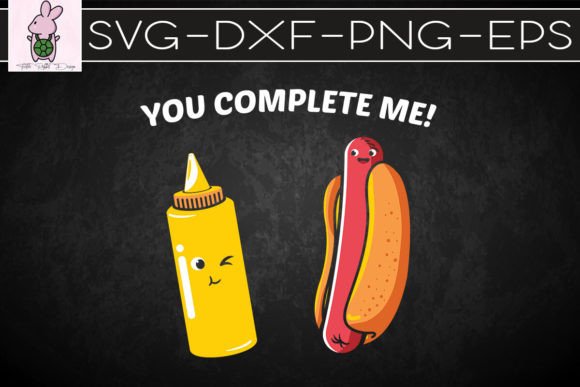
The Mustard Hot Dog Classic Pair carries a playful, retro diner mood that immediately feels familiar without being boring. The composition centers on two classic hot dogs with a generous squiggle of yellow mustard running across them. The lines are clean, the proportions feel balanced, and there is enough detail to give the design character without making it fussy. This is not one of those overcomplicated graphics that looks good on screen but turns into a thread nightmare once you hoop it up.
The design reads as friendly and approachable. It would work well on a casual sweatshirt, a summer tote bag, or even a kitchen apron for someone who loves hosting cookouts. There is a cheerful honesty to the way the hot dogs are drawn. Nothing about it tries too hard. That restraint is actually what makes it commercially viable for a range of handmade products.
Because this is a digital image file made for cutting machines like Cricut and Silhouette, it also works beautifully as a source design for creating your own embroidery files. You can import the graphic into your digitizing software, trace the paths, and build stitch files that preserve the original charm. For crafters who sell finished items on Etsy or at local markets, having a clean base graphic like this saves hours of redrawing.
How the Mustard Hot Dog Classic Pair Performs in Real Embroidery Situations
I tested this design in several real project scenarios. The first was a custom tote bag for a small batch of summer market products. The mustard yellow and rich brown-red of the hot dogs popped nicely against a natural cotton canvas. The satin stitch outlines held their shape well, and the fill stitch areas stayed smooth without puckering. The design digitized cleanly at a medium hoop size, around five by seven inches, which gave the hot dogs enough room to feel substantial without overwhelming the bag.
Next I moved to a crewneck sweatshirt in heather gray. This is where the Mustard Hot Dog Classic Pair really convinced me. The contrast was strong, the design sat well on the chest area, and the lightweight stabilizer kept everything stable through the sew-out. The mustard detail, which could have been tricky if it had thin curves, was wide enough to stitch cleanly with a satin column. No skipped stitches, no gapping.
I also tested it as an embroidered patch on twill fabric. The design's simple shapes made trimming easy, and the finished patch had a nice vintage feel. For anyone making iron-on patches or sew-on patches for jackets and caps, this design is a strong candidate. It has enough visual weight to stand on its own but is simple enough that you can scale it down to about three inches wide without losing readability.
For custom apparel like t-shirts and baby onesies, I would recommend keeping the design at a moderate size. The hot dog shapes are straightforward, but the mustard detail needs enough real estate to maintain its shape. On a toddler shirt, a smaller version worked fine as long as I used a lightweight tear-away stabilizer and a sharp needle. On thicker fabrics like hoodies, the design held up with no distortion.
Where This Design Really Shines in Your Product Line
The Mustard Hot Dog Classic Pair is naturally suited to a handful of product categories that small shop owners and Etsy sellers will appreciate.
- Custom apparel: Sweatshirts, t-shirts, and hoodies with a retro food theme work well for casual wear and gift giving. This design feels right at home on a cream, khaki, or light gray garment.
- Tote bags and kitchen linens: Tea towels, aprons, and canvas totes with this graphic have a farmer's market or backyard barbecue vibe that sells well during warmer months.
- Embroidered patches: The design's clear outlines and manageable stitch count make it ideal for patch production. You can offer them as standalone items or sew them onto jackets and caps.
- Personalized gifts: For someone who loves grilling or classic American diner food, this design on a pillow cover or a set of napkins becomes a thoughtful, niche present.
- Holiday and seasonal merchandise: Fourth of July, Memorial Day, and summer cookout themes are an easy fit. Pair it with some red, white, and blue accents and you have a seasonal bestseller.
- Digital product previews: Because this is also a digital file for Cricut and Silhouette, you can create printable mockups showing how the design would look on finished products. This helps customers visualize before they buy.
Where to Use This Design with Caution
No design is perfect for every situation, and the Mustard Hot Dog Classic Pair has a few boundaries worth noting before you commit to a large production run.
Small hoop sizes: If you plan to stitch this design in a four by four hoop, you may find the mustard detail becoming too narrow for clean stitch definition. The hot dogs themselves scale down fine, but the mustard squiggle loses some of its character below about two and a half inches in width. I would recommend testing at your intended size before stitching multiples.
Dark or textured fabrics: On black or very dark navy fabric, the hot dog shapes can blend together if you do not choose thread colors carefully. A lighter mustard yellow with a higher contrast brown works best. On highly textured fabrics like fleece or heavy bouclé, the fine mustard lines may get lost in the nap.
Stretchy or lightweight fabrics: The fill stitch areas in this design create moderate density. On stretchy knits or thin silky fabrics, you may need a cutaway stabilizer and a ballpoint needle to prevent tunneling and distortion. I found that on a standard cotton jersey, a medium-weight tear-away was sufficient, but always test first.
Curved surfaces like caps: The design is relatively wide in its natural proportions. On a curved cap front, you may need to scale it down or adjust the layout so the hot dogs do not wrap awkwardly around the curve. The mustard detail, in particular, can look bent if the cap surface is heavily curved.
Frequent washing: For products that will see heavy washing, such as kitchen towels or children's clothing, make sure you use a high-quality polyester thread and a dense enough stitch count to prevent fraying. The satin stitch areas should have a slight pull compensation to keep edges clean over time.
Impact on Visual Appeal, Product Value, and Customer Trust
A design like the Mustard Hot Dog Classic Pair does more than just decorate a product. It communicates a mood and a sense of care. When a customer receives a tote bag or a sweatshirt with clean, well-stitched embroidery, they notice the difference between something that was slapped together and something that was thoughtfully made. This design, when digitized and stitched correctly, gives off that handmade quality that builds trust and repeat business.
For Etsy sellers and small shop owners, the visual appeal of your finished products directly affects your conversion rate. A crisp, colorful embroidered item photographs well. It looks good in listing photos, in promotional materials, and in social media posts. The Mustard Hot Dog Classic Pair has a strong enough graphic identity that it can carry a product photo on its own without needing excessive styling.
There is also a giftability factor here. This design feels like something you would buy for a friend who loves hot dogs or for a family member who hosts summer cookouts. It is specific enough to feel personalized but not so niche that it limits your audience. That balance is hard to find in many digital embroidery designs.
From a branding perspective, using designs that have a consistent visual voice helps your shop feel cohesive. If you sell a line of retro food-themed apparel, this design fits naturally alongside other classic diner graphics. Customers start to recognize your style and come back for more.
Practical Designer Notes Before You Stitch
After working with this design across multiple projects, I have a few notes that will save you time and thread.
Test the design on scrap fabric first. This is the single most important step before you stitch a finished product. Check the thread color contrast against your actual fabric. What looks good on screen may read differently on a olive green apron or a mustard yellow tee. Yes, mustard on mustard can be a problem.
Review the stitch density of your digitized version. If you are converting the digital image file into an embroidery file yourself, pay attention to how the fill stitches and satin stitches interact. Dense areas may need a slight underlay to prevent shifting. If the design feels too heavy, consider reducing the density slightly or using a softer fill pattern.
Confirm your hoop size before cutting fabric. The design's proportions work best at a medium hoop size. If you only have a small hoop, test the scaled-down version to see whether the mustard detail still reads clearly. I found that scaling below seventy percent began to compromise the finer lines.
Check the design in black and white mockups before committing to thread colors. A grayscale preview helps you see which areas will dominate visually and whether the value contrast is strong enough. This is especially useful for dark fabrics where some colors can disappear.
Use a proper stabilizer for your fabric type. For most stable woven fabrics, a tear-away stabilizer is fine. For knits, stretchy materials, or lightweight fabrics, switch to a cutaway stabilizer. On caps or curved surfaces, a stiff cutaway with a firm backing is essential to keep the stitches from distorting.
Before you sell any finished products or digital listings featuring this design, confirm the licensing terms. The product description indicates it is a digital image for cutting machines, and you should verify whether commercial use is allowed for embroidered items, printed goods, or digital resale. When in doubt, reach out to the designer or check the product page for usage rights.
Because this design comes as a digital image file, you have the flexibility to use it in multiple ways. You can create embroidery files, vinyl decals, heat transfer prints, or even printable iron-ons. That versatility makes it a smart addition to your design assets if you run a multi-product craft business.
Final Thoughts on the Mustard Hot Dog Classic Pair
After several sew-outs and a handful of finished products, I can say that the Mustard Hot Dog Classic Pair is a solid, usable design for anyone making handmade goods. It is not overly complicated, which is actually its strength. It digitizes well, it photographs nicely, and it appeals to a broad enough audience that you can build a small product line around it.
For embroidery designers and small shop owners who are always looking for fresh graphics that translate well into thread, this design is worth adding to your library. Just take the time to test your thread colors, choose your fabric wisely, and pay attention to scale. With the right preparation, the Mustard Hot Dog Classic Pair can become a reliable part of your product lineup.
Whether you are stitching a custom tote bag for a summer market, preparing a personalized gift for a hot dog lover, or building a set of embroidered patches for your online shop, this design delivers the kind of playful, clean look that customers respond to. It earns its place in the Crafts and Graphics categories by being both functional and fun.