Dog Watercolor Wildflower: A Pro Embroidery Review
There are thousands of dog graphics on the market, but few capture the tender, on-trend balance of fine art and rustic charm quite like the Dog Watercolor Wildflower Illustration. As someone who digitizes and produces custom apparel for a living, I evaluate designs based on stitch-out reality, not just screen appeal. This PNG, listed under Crafts and Graphics, offers a fascinating set of possibilities for the machine embroidery world. Whether you plan to digitize it yourself or use it as an applique guide, this design requires a thoughtful approach to reach its full potential. Let’s break down exactly how this illustration behaves when you move it off the screen and into the hoop.
The Visual Personality – Why This Design Stands Out
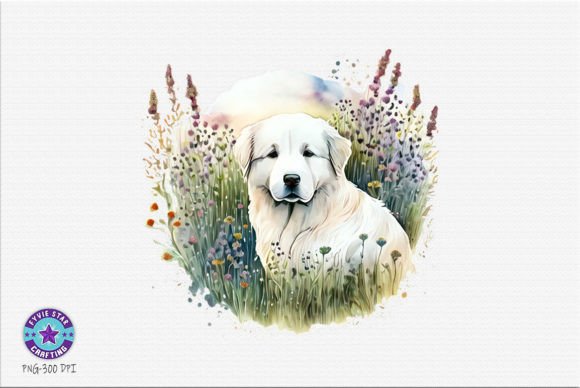
The watercolor aesthetic is timeless, but the wildflower detail gives this piece a distinctly modern edge. The dog’s silhouette is the anchor, framed by soft botanical shapes that feel organic rather than rigid. This layout immediately struck me as versatile. It carries a sentimental, earthy mood that appeals to buyers looking for something beyond standard breed vectors.
When I first reviewed the resolution, the 300 DPI PNG gave me confidence that the detail would translate well into a digitized format. The watercolor texture is naturally forgiving of slight registration shifts, which is a major advantage when converting to stitch data. The dog’s profile is clear and not obscured by the flowers, meaning the subject remains recognizable even at smaller sizes. For a handmade product or a personalized gift, this illustration communicates care and artistic intention.
From PNG to Machine Embroidery – What You Need to Know
Let’s address the most important technical detail: this is not a machine embroidery file. It is a high-quality PNG for cutting machines and digital mockups. To use it in an embroidery project, you have three strong options.
Option A: Digitizing from scratch. This path preserves the painterly feel. I recommend using a mix of fill stitch and satin stitch for the flowers. The watercolor effect relies on color blending, so plan for at least four to six thread colors. The dog silhouette works beautifully as a dense Tatami fill or a clean satin stitch.
Option B: Applique design. This is where the design assets shine. Use your Cricut or Silhouette to cut fabric shapes based on the PNG. Layer the wildflowers and the dog separately. This technique adds incredible depth and texture to a tote bag design or a sweatshirt embroidery project. It also reduces stitch density, keeping the fabric soft.
Option C: Print-then-cut HTV. The 300 DPI resolution is excellent for printable iron-on. This allows you to reproduce the watercolor effect exactly as it appears on screen, perfect for flat surfaces like aprons or baby onesies.
Regardless of which method you choose, I strongly advise testing your conversion on scrap fabric first. The wildflowers contain thin stems and small petals that can easily lose definition if your digitizing software overcompensates with density.
Real Case Angle – Building a Custom Tote for a Client
To give you a practical read on this embroidery project, I prepared a custom tote bag for a friend who owns a dog walking business. She wanted something that felt upscale but still natural. Using the Dog Watercolor Wildflower Illustration as my base, I separated the elements in my digitizing software. The dog’s face became a dense charcoal fill stitch. The wildflowers received a mix of organic greens, dusty mauves, and soft yellows.
I hooped a 6x10 frame with a stiff cutaway stabilizer to support the stitch density. The result was striking. The watercolor inspiration gave the embroidery a painterly feel, even with a limited palette. My friend immediately saw engagement on her social media. The tote bag felt like a premium boutique item, not a standard craft fair piece. This is the kind of reaction that builds customer trust and justifies a higher price point for custom apparel.
Where It Shines vs. Where to Be Cautious
Understanding the limitations of a design saves you time, thread, and frustration. Here is my honest assessment of where the Dog Watercolor Wildflower Illustration performs best.
Strengths and Ideal Applications
- Medium to large hoops. A 5x7 or larger frame preserves the wildflower detail and prevents the dog’s profile from feeling cramped.
- Light to medium fabric colors. Kona cotton, linen, and natural canvas allow the watercolor aesthetic to breathe.
- Structured items. Tote bags, denim jackets, backpacks, and pillow covers handle the stitch density well.
- Personalized gifts. The layout leaves room in the upper corners for a name or monogram, increasing its value for baby embroidery or holiday embroidery presents.
- Small shop merchandise. This design appeals directly to the pet lover market, which is consistently profitable for Etsy sellers and craft business owners.
Cautions and Considerations
- Small hoops. In a 4x4 frame, the dog’s ears and the thinner flower stems will lose clarity. If you must use a small hoop, simplify the design by removing some of the outer leaves.
- Dark fabric. The watercolor effect relies on soft transparency. On black or navy fabric, you will need a white underlay or a printed base layer to make the colors pop.
- Highly textured fabric. Towels, fleece, and heavy knits will swallow the detail. Stick to smooth, stable textiles for the best result.
- Stretchy fabric. If you are applying this to a t-shirt, use a medium-weight cutaway stabilizer and a temporary spray adhesive to prevent puckering.
- Commercial licensing. The listing states the file is perfect for a multitude of creative projects. Before mass-producing commercial embroidery or selling finished product items, verify the license terms for physical goods and design assets.
Customer Perception, Marketability, and Pricing Strategy
In the handmade market, presentation is everything. The Dog Watercolor Wildflower Illustration gives your finished product a built-in story. It feels curated rather than generic. When a customer receives a personalized tote bag or a custom embroidered sweatshirt featuring this design, their immediate thought is not “this looks like a digitized graphic,” but “this looks like a piece of art.”
The wildflower aesthetic has dominated home decor and apparel for several seasons, and it shows no signs of slowing down. For Etsy sellers, this is a strategic advantage. Use the provided PNG to create realistic printable mockup images for your listings. Show the design on a sweatshirt, a tote, and a nursery pillow. The watercolor style photographs beautifully and builds immediate trust with buyers.
From a pricing perspective, I recommend positioning this as a premium add-on. A standard single-color logo might command five to ten dollars. A well-executed version of this design, with multiple thread changes and careful stabilizer work, can easily justify twenty to thirty dollars more per item. For small shop product lines, this kind of differentiation separates commodity goods from boutique merchandise.
Practical Designer’s Notes for the Worktable
Before you commit to a full production run, here are the checks I run on every new design.
- Test on scrap fabric. Always stitch a sample on the exact fabric you plan to use. This reveals fabric texture issues and thread color mismatches before they ruin a customer order.
- Review stitch density. Watercolor conversions tend to push density high. Keep your fill stitch settings between 4.0 and 6.0 mm to avoid turning a soft garment into a stiff board.
- Check underlay. An edge walk underlay defines the dog’s snout, ears, and the fine flower petals. It prevents registration loss during stitching.
- Confirm hoop size. Measure the design bounding box against your available hoops. Do not squeeze it into a frame smaller than recommended.
- Select appropriate stabilizer. For bags and structured items, I use a medium-weight cutaway. For stable woven fabrics, a tear-away works fine. For stretch knits, use a stiff cutaway and a temporary adhesive.
- Inspect small details. The wildflower stems are the most fragile part of this applique design. If they are too thin in your digitizing software, consider doubling the stroke width or replacing them with a running stitch.
- Test in black and white. Before selecting final thread colors, convert the design to grayscale in your software. This helps you see contrast issues that are hidden by the pretty watercolor palette.
Final Verdict for Creative Entrepreneurs
The Dog Watercolor Wildflower Illustration is far more than a simple Graphics file. It is a versatile design asset that bridges the gap between digital aesthetics and tangible, stitched art. It rewards patience and planning. Whether you carefully digitize it for a machine embroidery design or use the PNG directly for fabric cutting and printable mockup creation, the result is a distinctive, high-value handmade product that resonates with modern consumers.
If you are a creative entrepreneur looking to elevate your pet-themed merchandise, this illustration provides a beautiful foundation. Respect the detail, choose your fabric wisely, and test your stabilizer setup. The finished product will speak for itself, building your brand one stitch at a time.