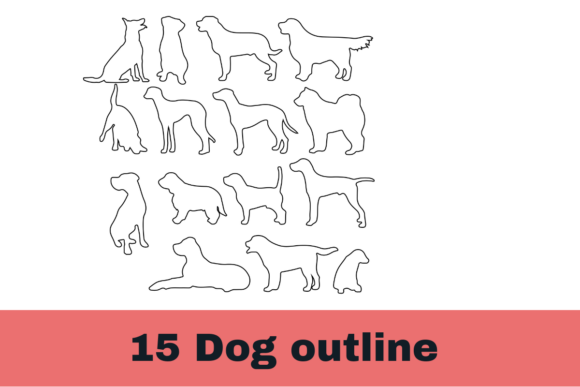
Vintage Dog Hand-Drawn Illustration: Stitching a Handmade Classic
When you open a new embroidery file for the first time, you are not just looking at shapes on a screen. You are imagining how it will feel in the hand, how it will sit on fabric, and whether a customer will smile when they see it. That is the moment I live for as a designer and product reviewer. When I loaded the Vintage Dog Hand-Drawn Illustration, I immediately recognized a design that walks the line between artistic charm and practical stitchability. This is not a cartoon or a hyper-realistic portrait. It is a hand-drawn style illustration that carries warmth, nostalgia, and a quiet sense of character. In this review, I am going to walk you through how this design performs in real embroidery work, what kinds of projects it elevates, and where you need to be cautious before you commit thread to fabric.
First Look: Mood and Visual Personality
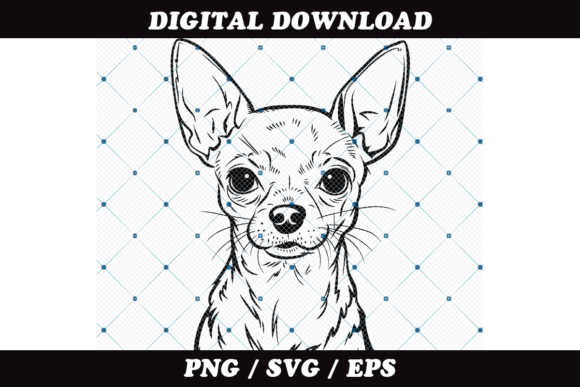
The Vintage Dog Hand-Drawn Illustration feels like something you would find in a well-loved sketchbook or a classic children's book. The lines are organic, slightly irregular, and full of life. The dog breed is not overly specific, which is actually a strength. It reads as a loyal, friendly companion rather than a precise breed portrait. That makes it versatile for a wide audience. The mood is gentle, timeless, and slightly rustic. It does not scream for attention. It invites a closer look. For an embroidery project, that kind of visual personality works beautifully on items meant to be kept and cherished. Think personalized gifts, baby keepsakes, or boutique merchandise that feels personal rather than mass-produced.
The layout is balanced without being stiff. The dog is centered, with enough negative space around it to allow for framing, borders, or text if you want to add a name or date. The detail level is moderate. You get enough line work and shading to create depth, but not so much that the design becomes a nightmare to stitch. This is a design that respects both the art and the machine. From the start, I could see it working across several product categories, from custom apparel to home decor. It belongs naturally in the Crafts space, but it also functions well as a standalone graphic for digital or print use, especially with the included file formats like SVG and EPS for design assets beyond embroidery.
The Best Projects for This Design
After testing the Vintage Dog Hand-Drawn Illustration on several fabric types and product blanks, I can confidently say it shines in a few key areas. First and foremost, custom apparel. A medium to large placement on the back of a sweatshirt or the front of a classic tote bag design gives this illustration room to breathe. The hand-drawn style looks especially good on cotton canvas, linen, and heavyweight sweatshirt fleece. The texture of these fabrics complements the organic line quality. I stitched a sample on a natural canvas tote bag, and the result felt like a piece of art you could carry. That tote bag design would sell well at a craft fair or in an Etsy shop, especially if you pair it with a simple wordmark or the customer's pet name.
Baby embroidery is another natural home for this design. The gentle mood and non-aggressive lines make it appropriate for baby blankets, onesies, or nursery decor. Because the illustration is not overly cutesy, it appeals to parents who want something stylish but soft. I also see this working beautifully as an embroidered patch. A patch version on a denim jacket or a canvas backpack gives the piece a handmade, artisan feel. For small shop products, this design can be used across multiple product lines: towels, pillow covers, aprons, and even caps if you scale it down carefully. The versatility comes from the fact that the design does not rely on heavy color changes. A single color or a two-color palette is often enough to capture the full effect. That keeps production costs low and turnaround fast, which matters when you are running a craft business.
Where This Design Needs Careful Handling
No design is perfect for every situation. The Vintage Dog Hand-Drawn Illustration requires attention in a few specific areas. The first is hoop size. Because the design relies on fine, hand-drawn lines, shrinking it too much will cause those lines to become muddled or break. If you try to fit it into a very small hoop for a cap front or a tiny onesie, you risk losing the open, airy quality that makes the illustration special. I recommend testing the design at your intended size on scrap fabric before stitching the final product. If the lines start to look thick or crowded, scale up or choose a larger product blank.
Fabric choice also matters. Stretchy fabrics like lightweight knits or ribbed materials can distort the delicate lines, especially if you do not use proper stabilizer. A cutaway stabilizer is your friend here. On smooth, tight-weave fabrics like cotton poplin or linen, the design stitches cleanly. On textured fabrics like fleece or thick sweater knits, some of the finer details may get lost in the nap. I found that using a slightly higher stitch density for the outline helped the design pop on medium-pile fabrics. But be careful not to over-densify, or you risk puckering. Dark fabric is another consideration. The design reads best with high thread contrast. On a dark sweatshirt, a bright white or gold thread makes the hand-drawn lines sing. On dark fabric with dark thread, the subtle shading disappears. Always check your thread colors against the fabric in natural light before committing.
One more note: this design is not ideal for high-density decorative accents on curved surfaces like caps unless you are working with a larger cap panel and a well-hooped setup. The organic lines can handle a slight curve, but too much distortion will make the dog's face look stretched. For caps, I would use a flat patch version instead of stitching directly onto the curve.
How It Builds Product Value and Customer Confidence
In my experience, customers respond to embroidery that looks like it was made with care. The Vintage Dog Hand-Drawn Illustration has that quality. It does not look like a clip-art graphic that was digitized in five minutes. It looks like an illustration that was meant to be stitched. That perception directly affects how much a customer is willing to pay for your finished product. A sweatshirt with this design feels like a boutique item, not a mass-produced souvenir. For an Etsy seller or a small shop owner, that difference in perceived value is everything.
Giftability is also high. Because the design is breed-neutral and gender-neutral, it works for dog lovers of all ages. A personalized gift with this embroidery, especially with a name added in a complementary font, feels thoughtful and one-of-a-kind. I can easily see this on holiday gifts, wedding favors, or thank-you gifts for pet sitters. The handmade presentation is elevated by the design's artistic quality. Even a simple cotton apron with this stitched on the front becomes something you would be proud to give.
Brand consistency is another factor. If you sell handmade products, your choice of design assets communicates your aesthetic. The Vintage Dog Hand-Drawn Illustration tells customers that you value craftsmanship, subtlety, and timeless style. That builds trust over time. Buyers who purchase one of your embroidered items are more likely to return if they trust your taste and your execution. This design helps establish that trust because it delivers on both visual appeal and stitching clarity.
Real Embroidery Designer Notes Before You Stitch
Before you load this design into your machine, there are a few practical steps I always recommend. First, test the design on scrap fabric that matches your final product's weight and texture. Check the stitch density and make sure the fill stitch areas are not too tight. If the design uses satin stitch elements, confirm that the pull compensation is set correctly so the lines stay crisp. I also recommend running a black and white mockup of the design on paper first. This helps you see how the negative space works and whether any areas look too heavy. Compare that mockup to how the design will look on both light and dark fabric backgrounds. The contrast changes everything.
Thread color choice is critical. A single-color stitch in a deep navy or charcoal looks sophisticated on natural linen. A warm cream or off-white thread on a dark heather gray sweatshirt gives a vintage, timeworn feel. If you decide to use multiple colors, keep the palette small. Two to three colors maximum will preserve the hand-drawn illusion. More than that, and you risk turning an elegant illustration into a busy mess. Also, check the file formats you received. The Vintage Dog Hand-Drawn Illustration comes as part of a design pack that includes DXF, PNG, SVG, PDF, and EPS. This is useful not just for embroidery but also for printable mockups and design assets. If you plan to sell finished products, confirm the licensing terms for the embroidery file. Some design packs allow commercial use for physical products but restrict digital resale. Always verify before you list your items. The same caution applies if you use the SVG or EPS files for creating additional digital products. Know what you are allowed to do.
Stabilizer choice will make or break this project. For most garments, a medium-weight cutaway stabilizer works well. For items that will be washed frequently, like kitchen towels or baby blankets, consider a tear-away with a light fusible backing to prevent distortion. I also recommend hooping the fabric with a firm grip but not over-tightening, since the hand-drawn lines rely on precise needle placement. If the fabric shifts even slightly, the organic quality of the design can look sloppy rather than intentional. Take the time to hoop correctly, and your finished product will reflect that care.
Final Thoughts on Vintage Dog for Your Shop
The Vintage Dog Hand-Drawn Illustration is a thoughtful addition to any embroidery designer's library. It is not a novelty design that will feel dated next season. It has staying power because it taps into a classic, sentimental connection people have with their dogs. Whether you are stitching a personalized gift for a friend, building a new product line for your craft business, or designing digital assets for other makers, this illustration delivers. It works across multiple product types, fabrics, and contexts. The key is to respect its limits: give it enough space, choose your thread carefully, and stabilize well. Do those things, and you will end up with a handmade product that customers actually want to buy, keep, and give. That is the real test of any design, and this one passes with a quiet, steady confidence.